
How-to guide
Mixing FIXONEX adhesive for a strong, even bed
How to achieve a homogeneous mix, manage open time on warm days, and avoid over-retempering on site.
Field notes from FIXONEX — use with your product TDS and site-specific specification. When in doubt, talk to our team before you lock the detail.
Why the first mix sets the tone
Tile adhesive is only as trustworthy as the bed you place. A streaky mix, the wrong water ratio, or a batch that sat too long before trowelling shows up as hollow sound, poor transfer, or callbacks after traffic starts.
FIXONEX lines ship with declared usage — start from the bag label and the product page for your range. This guide is about discipline on the bucket, not replacing that sheet.
Ratios, sequence, and avoiding dry clumps
Add powder to clean water (unless the label specifies otherwise) in the order and ratio written for that SKU. Under-watering leaves dry pockets; over-watering weakens the matrix and steals open time.
Mix mechanically for the time the sheet suggests — usually until the mass is uniform, creamy, and free of lumps. Scrape the sides and bottom of the pail once; a second short mix after a short stand-in period is fine only if the system allows slake.
Open time on warm days and in sunlight
Temperature and draught accelerate skinning. Use smaller batches when the slab or the air is hot; keep mixed material shaded and close to the lay zone.
If the surface starts to film or the rake drags, do not splash water or fold dry powder on top — discard and remix. Retempering past what the manufacturer allows is a common source of erratic set and weak bond.
What good looks like before you trowel
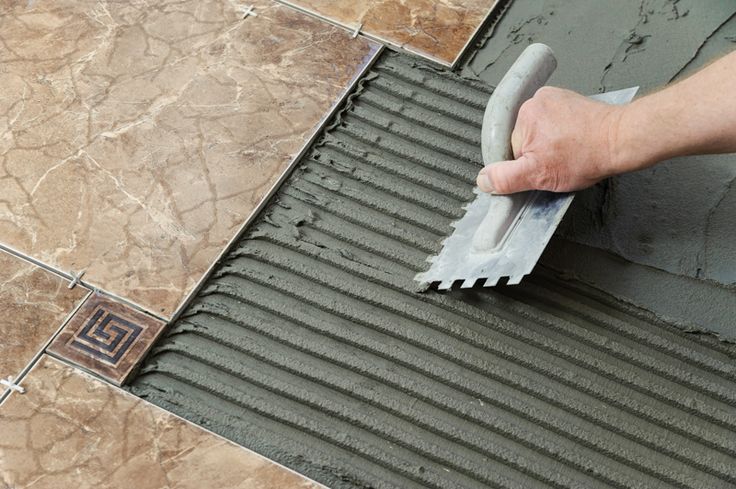
The mix should move cleanly off the trowel without separating or slumping. If you are spreading large-format tile, transfer checks on the back of the tile will tell you more than the bucket ever could — plan those early in the day.
Takeaways
- One reliable batch beats three rushed ones.
- Skin in the pail means a new batch — not more water.
- Match batch size to temperature and crew speed.
Product ranges
All products referenced in this guide
Explore specifications, pack sizes, and downloads for each range — then loop back here if you need installation context.
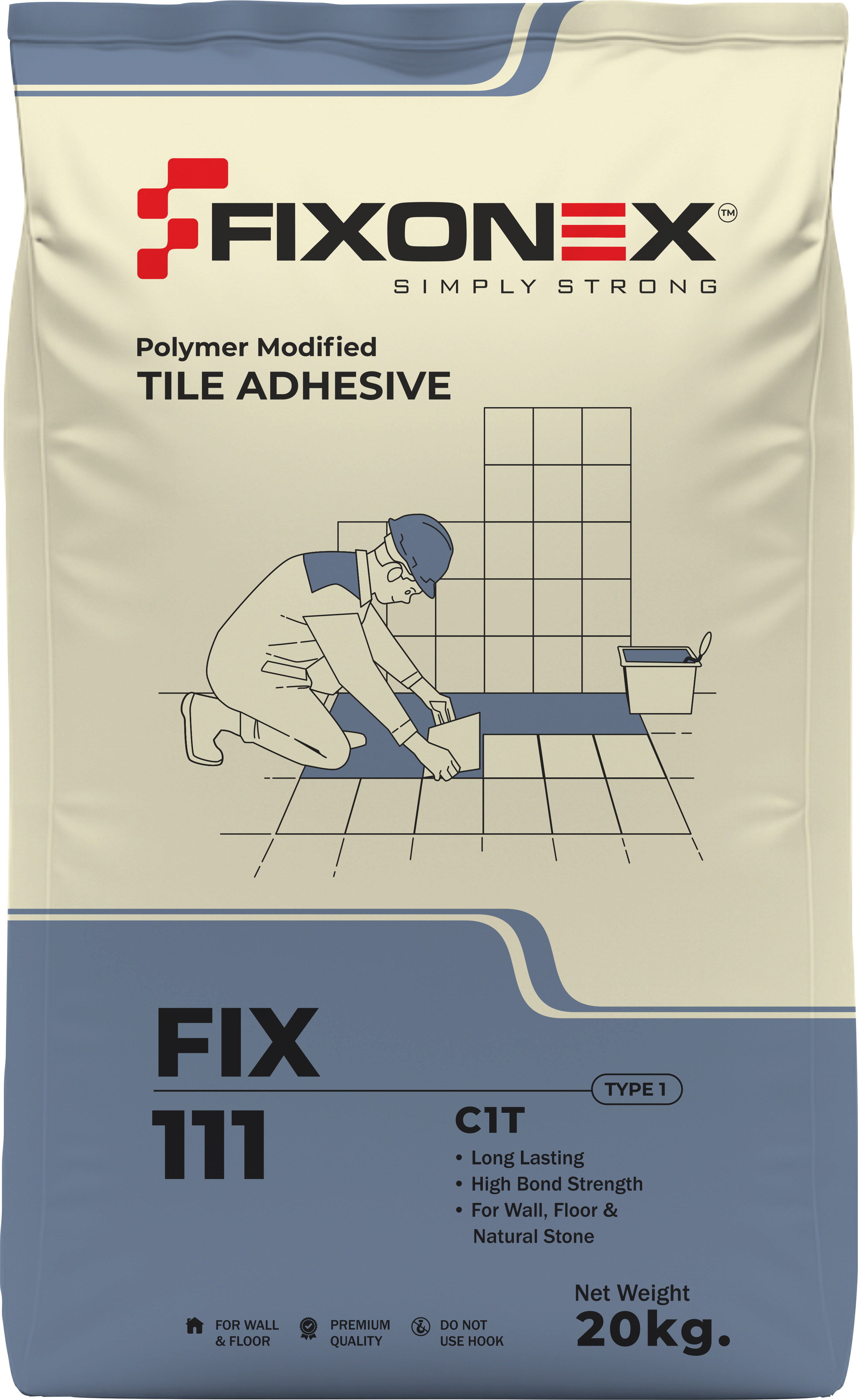
Tile adhesives
Best for: Homes — bathrooms, kitchens, living areas with ceramic or vitrified tile
FIXONEX bonds tile and stone properly — from simple indoor floors to large tiles, outdoor walls, and wet areas. Pick the grade that matches the job, not guesswork.
View range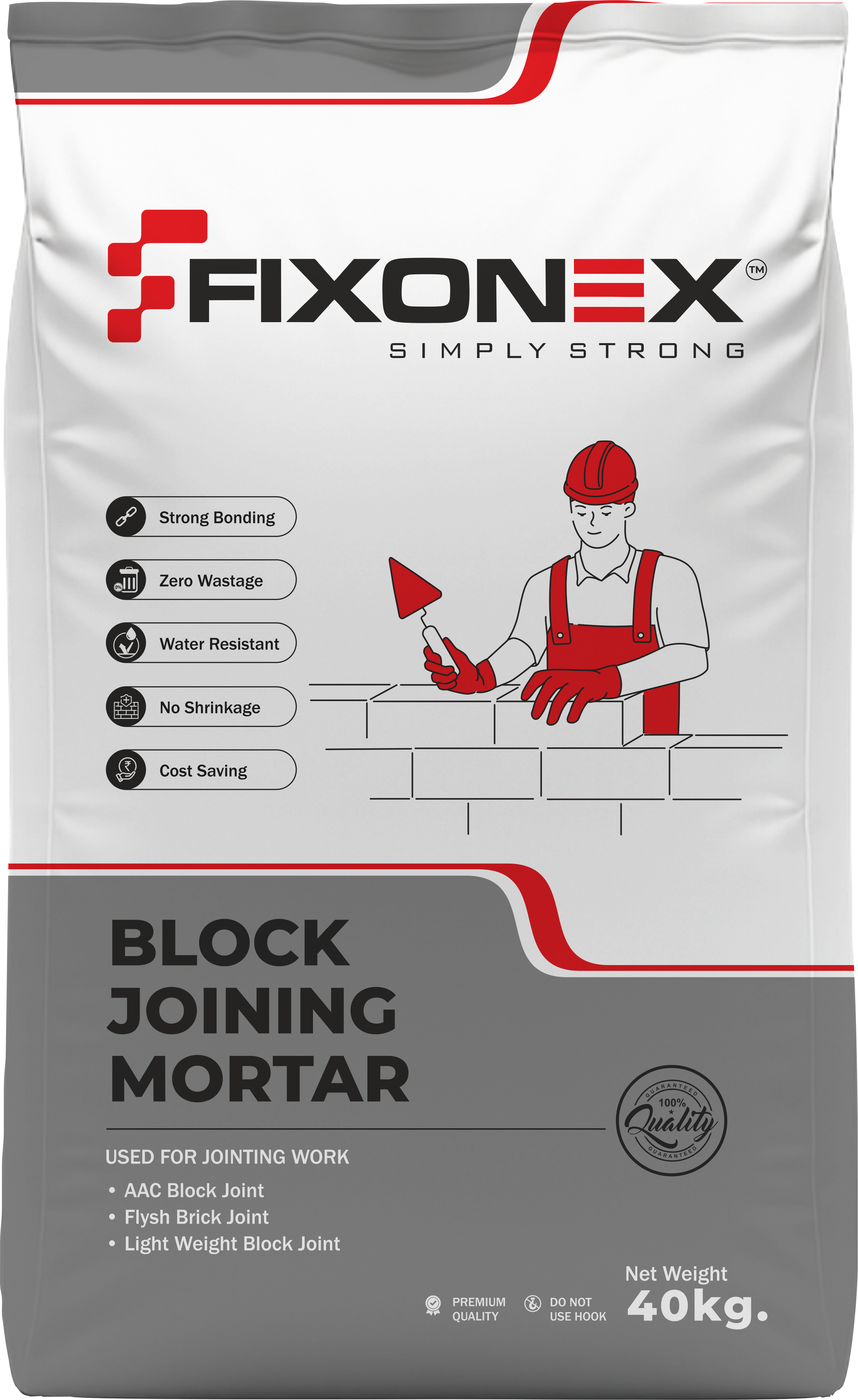
Block joining mortar
Best for: Residential and commercial block shells
FIXONEX thin-bed mortar for AAC and cellular concrete blocks — neat courses, solid joints, and less rework on fast-moving sites.
View range